

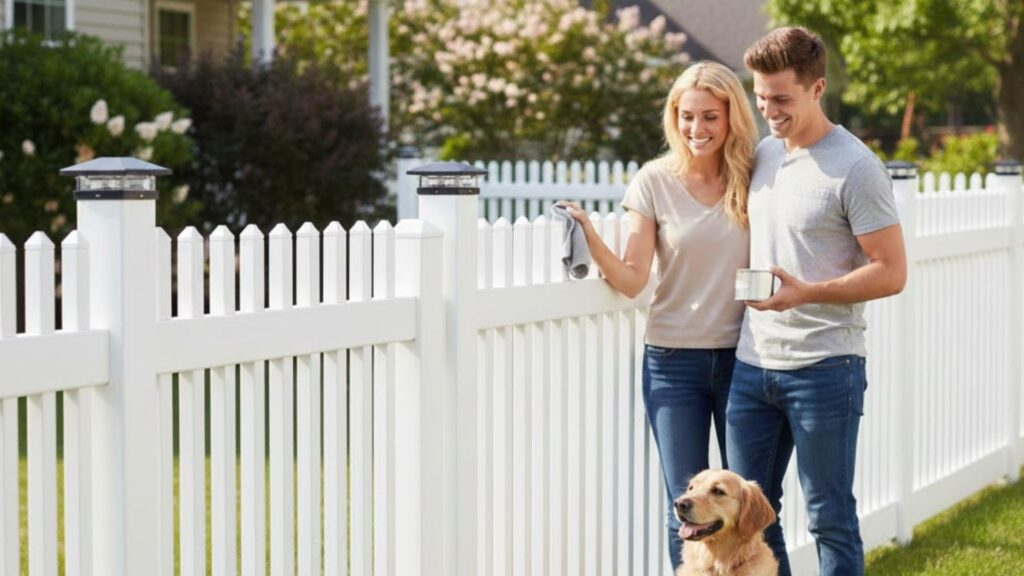
When you invest in residential fence installation, you are setting up a barrier meant to last for years. However, even the highest quality materials installed by top residential fence contractors require ongoing care to withstand the elements, wear and tear, and time itself. Learn more from Discount Fence USA.
Conduct Routine Annual Inspections
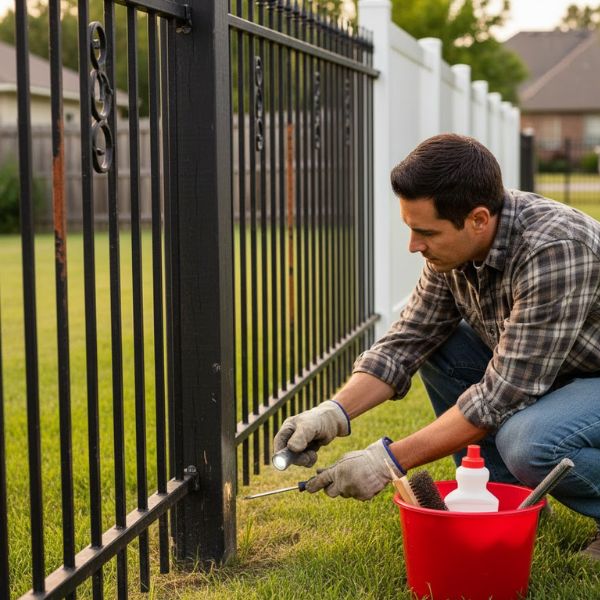
The cornerstone of effective fence care is the annual, comprehensive inspection. Walk the entire fence line and look for early signs of damage. For wood fences, check for soft spots, warping, or insect activity, especially near the ground. For metal fences, look for rust spots, peeling paint, or loose bolts. On vinyl, check for cracks or discoloration. Catching minor issues like loose fasteners or a bit of surface rust early prevents them from escalating into costly structural problems.
Immediate Small Repairs
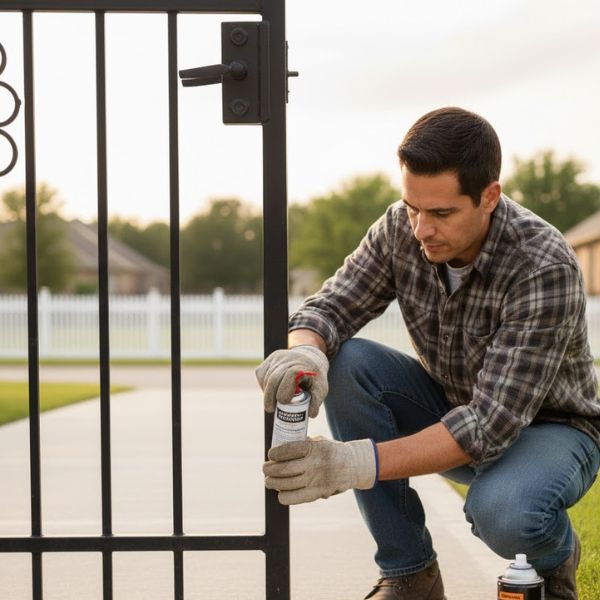
Do not postpone fixing minor issues. A single loose picket, a sagging gate, or a small patch of rust on your residential fencing can quickly worsen, compromising the entire section. Tighten loose hardware, re-nail boards, and sand down and touch up any rust spots immediately. For gates, which see the most use, lubricate hinges and latches to ensure smooth operation and prevent strain on the posts.
Cleaning and Preventing Organic Growth
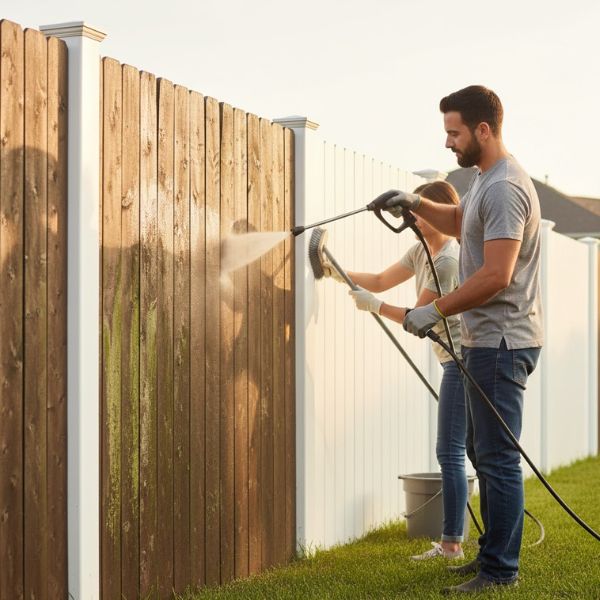
Dirt, grime, mold, and mildew can accumulate on any fence material, trapping moisture and accelerating deterioration. Periodically clean your fence with a mild detergent and a soft brush. For wood, be cautious with high-pressure washers, as they can strip the wood fibers. Regular cleaning improves aesthetics and removes organic matter that can lead to rot or corrosion.
Reapplying Protective Coatings
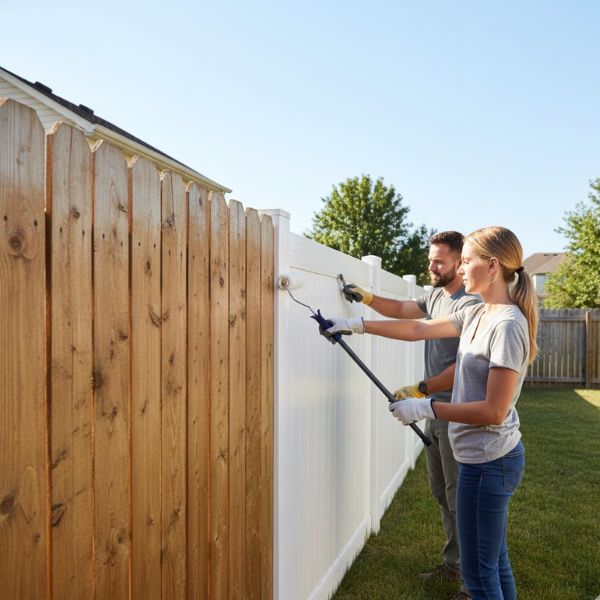
Different materials require different forms of protection. Wooden fences need a fresh coat of quality sealant or stain every 2-3 years to shield them from moisture, UV rays, and rot. Metal fences benefit from reapplying rust-resistant paint to any exposed areas or scratches. While vinyl fences are low-maintenance, a UV-resistant spray can help prevent color fading over decades of sun exposure.
Managing the Surrounding Landscape
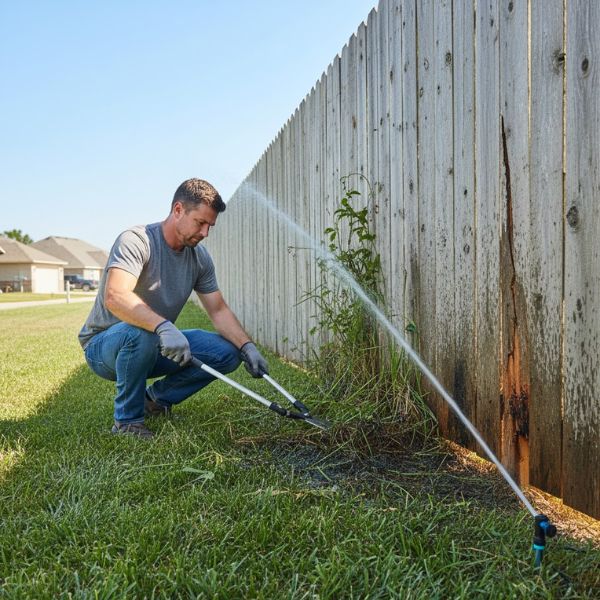
Your landscaping can be your fence’s greatest enemy. Keep grass, vines, shrubs, and tree branches trimmed back at least 6-12 inches from the fence line. Vegetation traps moisture against the fence, creating an ideal environment for mold, rot, and rust. Furthermore, ensure that your sprinkler system does not spray water directly onto your fence, as continuous moisture exposure at the base significantly reduces its lifespan.
A beautiful, functional residential fencing system is a significant investment. By partnering with professional residential fence contractors for installation and committing to a routine of regular inspections and minor maintenance, you can dramatically extend the life of your fence. Prioritizing these five simple care steps ensures your fence continues to provide security, privacy, and lasting value to your home. Contact us today!