


An automatic gate is a powerful addition to any commercial or residential property, offering enhanced security, convenience, and a clear boost to curb appeal. However, the complexity of combining heavy physical components with electrical and mechanical systems means that professional automatic gate installation is essential. Learn more from Discount Fence USA.
Site Evaluation and Design Consultation
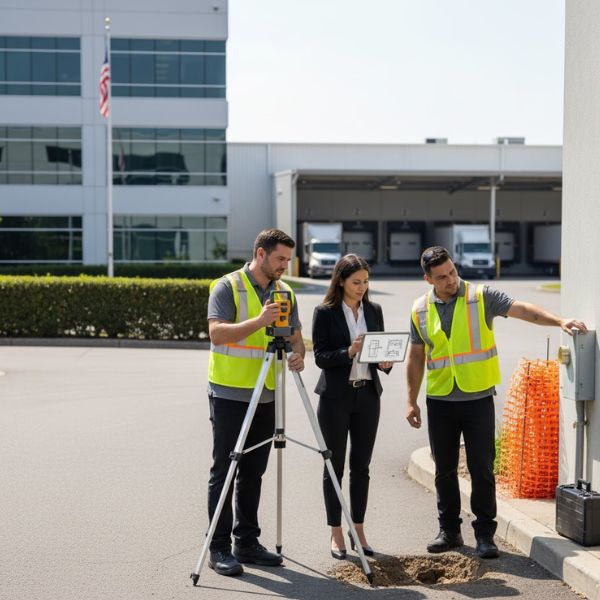
The process begins with a detailed site visit by your chosen commercial fencing contractors. During this initial consultation, the team evaluates the area where the automatic gate will be installed. They assess factors like ground slope, soil type, available space for the gate to swing or slide, and existing electrical infrastructure. This step is critical for determining the best type of gate (swing, slide, or vertical pivot) and the appropriate operator and security features (keypads, sensors, intercoms) to meet your security and functional needs.
Preparation and Foundation Work
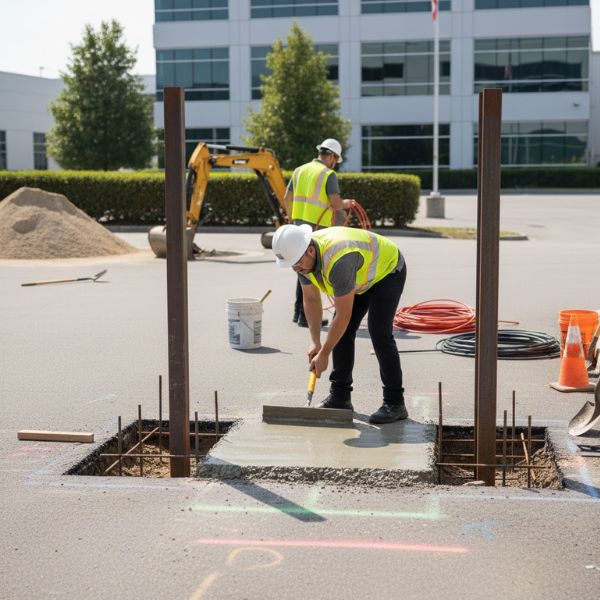
Before any heavy equipment arrives, the installation site must be prepared. This involves clearing the area, marking utility lines, and digging trenches for electrical conduit and sensor wiring. The most crucial part of this stage is pouring concrete footings or setting structural posts. The weight of an automatic gates system requires a solid, level foundation to support the gate, its operator, and to handle the stress of constant operation over time.
Gate and Fence Integration
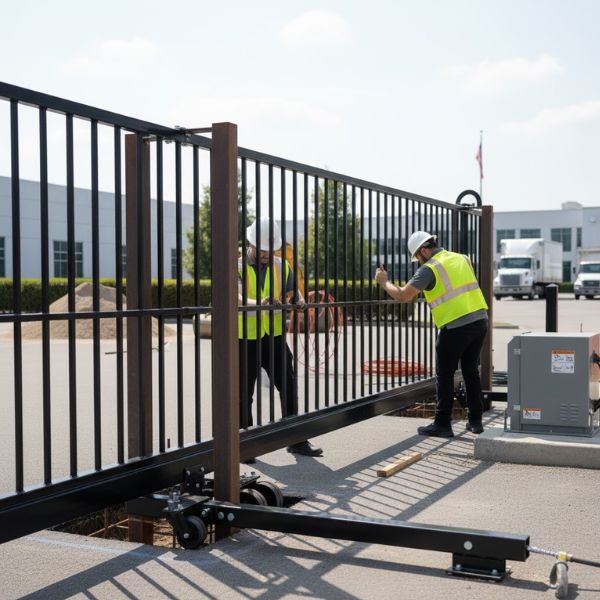
Once the concrete is cured, the physical gate itself is installed, along with any adjacent fixed fence sections. This step includes carefully hanging a swing gate or mounting the track for a sliding gate, ensuring that the alignment is perfect and the gate moves freely. The gate operator, which is the electromechanical engine that drives the system, is then mounted onto its pad or post.
Electrical Wiring and Component Setup
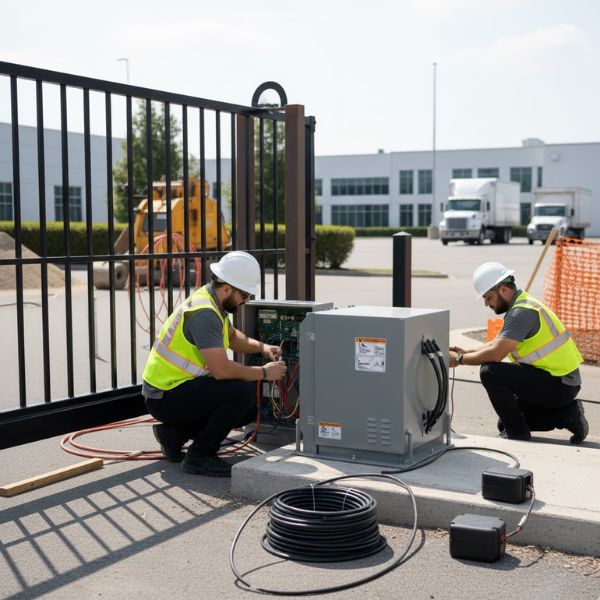
This is the technical heart of the automatic gate installation process. Licensed professionals run the low-voltage wiring for all safety and access components, including photo-eye sensors, loop detectors, and keypads. High-voltage wiring is run to the gate operator itself. Safety features, such as the photo-eyes that prevent the gate from closing on an obstruction, are tested rigorously to ensure they meet strict safety standards.
Final Testing, Calibration, and Training
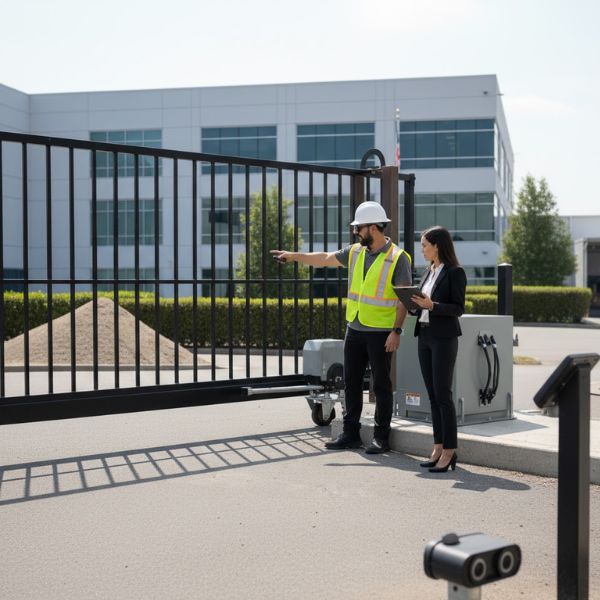
The final stage involves the testing and calibration of the entire system. The technician programs the gate’s controls, sets the opening and closing limits, and adjusts the speed and safety reversal settings. They perform multiple cycles to verify smooth and reliable operation under various conditions. Finally, the contractor provides comprehensive training, walking you through the use of keypads, remote controls, manual override procedures, and basic maintenance tips to keep your new automatic fence gate operating flawlessly.
A professionally installed automatic gate is an investment that provides long-term security and convenience for your property. Contact Discount Fence USA today.